Landing page mistakes are flaws in design, copy, structure, or performance that prevent visitors from completing a desired action such as signing up, downloading a resource, or making a purchase. The most common issues include unclear CTAs, slow load speeds, poor mobile usability, and missing trust signals.
Your landing page plays a decisive role in whether visitors convert or bounce. When done right, it becomes a powerful conversion engine. When poorly executed, it quietly drives potential customers away.
Before diving into the mistakes, let’s quickly understand the foundation.
What Is a Landing Page?
A landing page is a standalone web page built with a single objective: to encourage visitors to take one specific action. Unlike a homepage, it removes distractions and focuses entirely on guiding users toward a defined conversion goal whether that’s downloading an ebook, requesting a demo, or purchasing a product.
However, even small errors can significantly reduce its effectiveness and hurt conversion rates. While the average landing page conversion rate across industries is around 6.6%, high-performing pages far exceed this benchmark by prioritizing clarity, speed, persuasive design, and strong messaging. Many businesses work with a Digital Marketing Agency in USA to refine these elements and achieve stronger, data-driven conversion results.
Below are the ten most common landing page mistakes and practical ways to fix them.
1. Ignoring Mobile Responsiveness
With mobile devices generating most of the global website traffic, a non-responsive landing page can instantly alienate a large portion of your audience. Visitors expect a seamless experience across devices, and a poorly optimized mobile layout leads to frustration and quick exits.
How to Fix It
- Adopt a mobile-first design strategy.
- Use large, tappable buttons with clear placement.
- Test your page on real devices to detect layout issues or overlapping elements.
Takeaway: A mobile-friendly landing page improves engagement, reduces bounce rates, and increases conversions.
2. Weak or Confusing Calls-to-Action (CTAs)
When CTAs are vague, hidden, or competing with multiple actions, visitors become unsure about what to do next. Too many options dilute focus and reduce conversions.
How to Fix It
- Use strong, action-driven language such as “Download Now” or “Start Free Trial.”
- Add urgency with phrases like “Limited Time Offer.”
- Clearly highlight the value users will receive.
- Focus on one primary CTA per page.
Takeaway: A clear, compelling CTA guides users smoothly toward conversion.
3. Cluttered or Overwhelming Design
A cluttered layout filled with excessive text, images, and colors can confuse visitors and distract them from your core message. When attention is scattered, conversions drop.
How to Fix It
- Use ample white space to create visual clarity.
- Add high-quality visuals aligned with your brand.
- Stick to a clean and consistent color palette.
Takeaway: Simplicity and visual hierarchy help visitors focus on what matters most your offer.
4. Slow Page Load Times
Slow-loading landing pages frustrate users and cause them to leave before even seeing your offer. Speed directly impacts both user experience and search engine rankings.
How to Fix It
- Compress and optimize images without reducing quality.
- Improve server response time.
- Prioritize above-the-fold content so users see key information instantly.
Takeaway: Faster pages keep users engaged and significantly improve conversion potential.
5. Irrelevant or Weak Headlines
Your headline is the first thing visitors notice. If it fails to communicate value or align with their expectations, they are unlikely to continue exploring the page.
How to Fix It
- Clearly state the core benefit or outcome.
- Use powerful, attention-grabbing words.
- Include numbers or data points for added credibility.
Takeaway: A strong headline captures interest and sets the tone for the entire page experience.
6. Too Much Information
Landing pages are not meant to explain everything about your business. Overloading visitors with long paragraphs and excessive details can overwhelm them and reduce engagement.
How to Fix It
- Focus only on essential, conversion-focused information.
- Use bullet points for easy scanning.
- Organize content with clear headings and subheadings.
Takeaway: Clear, concise content helps users quickly understand your offer and act.
7. Poorly Optimized Forms
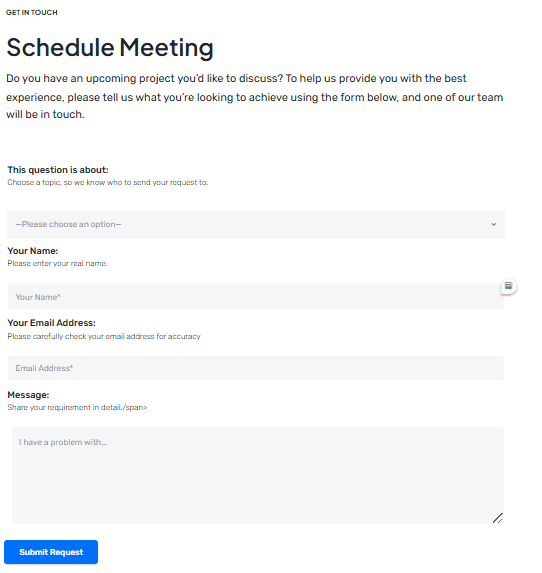
Lengthy or complicated forms often discourage users from completing them. The more effort required, the higher the chance of abandonment.
How to Fix It
- Ask only for essential information.
- Use simple, clear field labels.
- Implement real-time validation to minimize errors.
Takeaway: Short, user-friendly forms remove friction and encourage higher completion rates.
8. Lack of Trust Signals
Because landing pages function independently, visitors need reassurance that your brand is credible and trustworthy. Without trust signals, hesitation increases and conversions decline.
How to Fix It
- Display authentic customer testimonials.
- Showcase recognizable client logos.
- Include brief case studies or success stories.
Takeaway: Trust signals build confidence and make visitors more comfortable taking action.
9. Broken Links
Nothing frustrates visitors more than clicking a link and landing on a 404 error page. Broken links interrupt the user journey and often result in immediate exits.
How to Fix It
- Conduct regular link audits.
- Use 301 redirects for outdated URLs.
- Create a helpful custom 404 page that guides users back to relevant content.
Takeaway: Maintaining functional links keeps visitors engaged and preserves conversion opportunities.
10. Not Testing and Optimizing Your Landing Page
Launching a landing page without testing is like guessing what your audience wants. Without data-driven insights, it’s impossible to know what elements are working or failing.
How to Fix It
- Run A/B tests to compare different versions of headlines, CTAs, or layouts.
- Use heatmaps to analyse where users click and scroll.
- Continuously refine your page based on user behavior and performance data.
Takeaway: Ongoing testing ensures your landing page evolves with user preferences and consistently improves conversions.
Businesses looking to improve performance often rely on professional Conversion Optimization Services New York to analyze user behavior, refine messaging, and implement data-driven landing page improvements that boost measurable results.
Final Thoughts: Building High-Converting Landing Pages
Landing pages are powerful tools for driving leads and sales, but their success depends on strategic planning and flawless execution. Clean design, persuasive messaging, fast load times, and continuous optimization transform an average landing page into a high-performing conversion asset.
Your audience expects seamless, value-driven experiences. By avoiding these common landing page mistakes and applying proven optimization strategies, you can create pages that engage visitors, build trust, and deliver measurable results. Partnering with experts like 247 Digital Marketing can further help you design and optimize landing pages that consistently convert and support long-term business growth.

Mitesh Patel is the co-founder of 247 Digital Marketing, LawFirm Marketing and a columnist. He helps companies like Emerson and other top Fortune 500 compnies to grow their revenue.